Healing and Hope Through Loss with Amy Lou Jenkins


I would love to hear from you. Click the link now
Embracing Healing and Hope Through Loss with Amy Lou Jenkins Joins us in this heartfelt episode as Amy Lou Jenkins shares her personal journey through grief, resilience, and finding meaning amidst life's challenges. Whether you're mourning a loved one, facing personal setbacks, or seeking inspiration to carry on, Amy’s insights provide comfort and actionable hope.
In this episode:
Amy discusses her background in nursing, writing, and how her personal losses shaped her outlook on life and healing
The importance of storytelling, journaling, and nature as tools for emotional processing and growth
How societal and gender expectations influence grief and emotional expression
Practical ways to honor loved ones and keep their legacy alive through acts of kindness and storytelling
The misconception that grief lasts forever and the truth about healing over time
How repeated losses teach us resilience and the importance of gratitude and thankfulness
Encouragement for fathers and men to express their emotions and process grief authentically
Amy’s insights on navigating social media negativity and advocating for kindness
Timestamps: 00:00 - Introduction to Amy Lou Jenkins and her journey of healing through life's challenges
02:09 - Amy shares her story of personal struggles, writing, and uncovering life's meaning
04:54 - The significance of purpose-driven community work in shaping resilience
07:15 - Exploring grief and loss: Amy’s personal experience with her daughter Jessica
08:13 - The transformative power of nature and journaling in healing processes
10:05 - Practical tips for connecting with loved ones and honoring their memory
12:13 - The therapeutic benefits of writing and storytelling in overcoming grief
14:40 - How to use personal stories to leave a legacy for future generations
18:15 - The misconception that grief is a permanent state and understanding the healing timeline
20:38 - Strategies for surviving difficult seasons and finding purpose beyond pain
22:36 - The spiral nature of grief and the importance of gratitude in healing
25:38 - Challenging cultural gender stereotypes and their impact on emotional health
27:41 - Building a kinder, more compassionate world and confronting social negativity
33:22 - The importance of mindfulness and speaking up against injustice and bullying
37:12 - How understanding the healing process evolves and embracing the uniqueness of each grief story
39:35 - Message for fathers and men who are silent about their pain
41:03 - Final words of hope: cultivating gratitude as a guiding light in tough times
42:17 - How to connect with Amy, access her writings, and support her ongoing workResources & Links:
- Every Natural Fact Memoir (free download)
Connect with Amy Lou Jenkins:
Remember, grief is a journey, not a destination. Healing takes time, and hope is always within reach. Thank you for listening, and be sure to share this episode with someone who needs encouragement today.
Losing a child to cancer is a grief no parent should walk through alone. The Father's Refuge Podcast is a safe place for fathers and parents to share, heal, and find hope in the midst of heartbreak. If you are a father and you would like to share your grief journey with others reach out to me at FathersRefuge@proton.me
Call to Action for Father's Refuge Podcast
Facebook Page
https://www.facebook.com/profile.php?id=61583591441571
Podcast Support
https://www.fathersrefuge.com/support/
One Time donation
https://www.buzzsprout.com/2528600/support
Monthly Support
Want to be a guest?
https://podmatch.com/hostdetailpreview/fathersrefuge
Mobile Follow Page
SPEAKER_01
When you don't have joy, when you have anxiety, when you have troubles coming your way, there's always something to be thankful for. And that doesn't mean you shouldn't feel the pain. You shouldn't deal with the hard times. But if concurrently you can find things to be thankful for, that is a light that can carry you through.
SPEAKER_00
My name is James Moffat, and I'll be your host. So Father's Refuge is a place where fathers and families navigating loss can find encouragement, understanding, and hope. Today I'm honored to welcome Amy Lou Jenkins. Amy's journey has been shaped by life's challenges, personal growth, and the lessons that come from walking through difficult seasons. In this conversation, we'll explore how pain can transform us, how healing unfolds over time, and what it means to keep moving forward when life doesn't go on as planned. Whether you're grieving the loss of a loved one, facing a difficult transition, or simply searching for hope, I believe you'll find wisdom and encouragement in Amy's story. Amy Lou Jenkins, thank you for being on the episode tonight. How are you doing?
SPEAKER_01
I'm just wonderful, James. Thank you so much for having me, and I look forward to having a meaningful conversation with you.
SPEAKER_00
Absolutely. Do me a favor and introduce yourself to the listening audience.
SPEAKER_01
I'm Amy Lou Jenkins. I um spent many years as a registered nurse and then had a kind of a crisis that led me back to one of my original passions, which was writing. And through writing, journaling, and then publishing, I've been able to uncover more meaning in my life and a lot of hurts that, you know, I tried for a long time to block out. I didn't have, I wasn't sure who my father was for a lot of time growing up. I had volatile relationships. And one of the nice things about being older is I've had time to work through those. You know, the pain comes in uh in cycles, and when it comes back again, sometimes I'm a little better able to manage it. So I'm on my f my fifth book, and it's The Alchemy of Sass, and it's uh will be out in spring, and it explores the importance importance of unraveling the cultural assumptions and the lies and the secrets that underpin identity.
SPEAKER_00
That sounds wonderful. Five books, huh?
SPEAKER_01
Mm-hmm.
SPEAKER_00
I bet that's been quite a journey.
SPEAKER_01
It has been a journey, and I really love narrative nonfiction because I'm not so big on self-help books. I don't enjoy them that much, but I love narrative nonfiction because I like to walk with someone else while they are having a journey, and I can walk with them. So that's my favorite kind of writing to read and to write.
SPEAKER_00
All right. So, Amy, for those meeting you for the first time, can you share a little about your story and the experiences that have shaped who who you are today?
SPEAKER_01
Well, I'm a a Midwest girl and I grew up a lower middle class in a family of drinkers. I wasn't sure who my father was for a long time. My the father who I spent most of my childhood with, I discovered later, wasn't my father, and I had to work a lot of that out. And then I married very young. My parents thought only that their compliment was only ugly girls need college. And so I showed them and I ran away and got married young and was in a volatile relationship. And I had to work my way out of poverty, single parenthood, to become a professional. And just as I um earned my degrees, was working as a director of nursing in a home health agency, I realized in the depth of despair they had uh were closing a program I'd started that kept disabled young people out of nursing homes. And a nonprofit Christian organization I was working for decided that wasn't important anymore. And I came home to my husband crying, so upset. I just couldn't, I said, I can't be part of putting those those young people in nursing homes. I was so upset. And he said, What do you want to do? And out of the depth of my despair, it just came out. I said, I want to go back to school and study literature and writing. And I love literature and writing, and I've been exploring my stories and other people's stories. I've also published anthologies that include other people's essays and processes, and I find that the working in a helping profession and then studying literature makes for a very rich life of understanding meaning in life, which isn't always the same as happiness. Uh sometimes it's, you know, every season is not a happy season, but we can make meaning out of all of it.
SPEAKER_00
Right. So you mentioned uh putting young people in nursing homes. Can you expound on that just a little bit?
SPEAKER_01
Well, I worked for a nonprofit Christian agency, and uh, you know, there are uh veterans, motorcycle accidents, people who have such severe arthritis they can't move any of their joints, and they live their whole lives once their parents can't take care of them anymore in nursing homes. They're cognitively intact, they want to have their own life. And uh we're we live in a society that doesn't have a place for them to be, you know, individuals. If there's lucky, you might be in a community where there was a few group homes. But I had developed a program that was very meaningful to me that helped people out of nursing homes, that let them have support at home to be at home. But of course it didn't make money. And so even though it was a nonprofit agency and we were not losing money overall, they didn't see the wisdom in having a program like that that wasn't going to be a profit center. So that was a very hard thing for me. But one of the nice things that had happened is uh one of the women who I helped eventually she did go back to a nursing home. And I ran into her in her electric uh wheelchair at a parade one day. And she said, Oh, she recognized me as the director. And she said, I knew you had left when they closed the program. I knew you weren't there anymore. And I just apologized to her, telling her how sad I was. I couldn't keep the program open. And she just thanked me. You know, she just thanked me. She said, Those were wonderful days. I got to have four years living on my own. I wish it could have gone on, but just thank you, thank you, thank you. And that was a good lesson for me. How beautiful it was that she could recognize the gift of the years and independence she had, and when it was gone, she could still celebrate that she had had that and thank me for it. And that's a lesson that I can carry through to a lot of aspects in my life.
SPEAKER_00
That's wonderful. So I guess let me backtrack just a little bit. You know, this podcast is about grief and loss, and as we talked earlier, there's obviously there's loss when you lose a loved one, a wife, a husband, children, grandparents, loss of uh I my wife and I just lost uh one of our dogs yesterday. And uh, you know, there's loss of career, loss of relationships. There's all kinds of loss and suffering in this world, and a lot of that's tied to grief. We grieve those losses. And so I want the podcast to be about hope and uh have people be able to see light at the end of the tunnel. And so maybe it would be good for you to kind of share a little of your your grief journey and and the loss that you've suffered.
SPEAKER_01
Well, of course, I've had losses related to expectations about relationships. I have had two very difficult marriages. I grew up in a very volatile relationship. I was, you know, abandoned by one father, and my mother wouldn't tell me, and it turns out I don't think she knew who my father was. I I I had to work a long time to figure all of that out, didn't figure out till my sixties. But there is a very cultural expectation that our life is supposed to be getting better all the time. And one of the things that becoming older, I'm in my sixties now, is I realize that everything is temporary. So when we have an expectation that all of the wonderful things about today are going to continue to tomorrow, it's a little bit of a fairy tale. You know, it's a real gift and it's bl a blessing. You know, some of us have had a few friendships for decades and decades. What a blessing. And uh the woman that I told you about who said thank you, thank you, was one of the people who helped me on the path to understanding that there is an aspect of living in the now and appreciating the now. But I don't think it's true that you that means you don't grieve the past or you don't anticipate the future. But we need to take the joy in every moment we've had with us. And that's one of the reasons that I believe in two paths to my personal peace. And I'd like I think maybe your audience would also see the the paths uh to peace here. And one is to spend time in nature because there I don't have society yelling at me about what's wrong with me or what I should be doing, or you know, as a woman I should be worrying about, you know, the hair on the top of my head, all the way down to my toenails, that there's something wrong with me I need to fix. In nature, I find that it can soak up my errant thoughts and let me be. I'm not a good meditator, you know, let's just sit in a room, you know, tailor-style, close your eyes and think of nothing. That doesn't work for me. But uh stare at a lake, watch a family of pileated woodpeckers feed their young ones. I had that experience once on a hike, and I could have watched I watched for over an hour just the paleated woodpeckers coming back and forth and feeding their young ones. And it connects me to a system, right, to a source that is calming and all the expectations of who I'm supposed to be and how I'm supposed to feel can settle down. So I find nature is really important. And the other is to journal and to journal purposefully about why I feel a certain way, um, with no expectations, just on the page. And that is actually the way that I find a lot of the meaning for uh writing my books. I do, you know, I I'm sad today. Why am I sad? What is that about? Do I have a right to be sad? And I, you know, watch myself be sad. And then you know what? I process it, and then I'm not sad forever. Then there's new emotions that come by. So I find that journaling and writing and spending time in nature help me process the cultural expectations that I should be happy and productive and improving every moment of my life. I don't for me, I don't think that's possible.
SPEAKER_00
I love that you talk about nature and journaling. I love nature too. I love getting out on the water, going to parks and doing things like that. And uh I think that's very therapeutic, just getting away from social media, getting away from all media, news outlets, radio, TV, you know, Facebook, any social media. There are some good things about social media, don't get me wrong, but but I think if we have a hope to have some inner peace and to calm ourselves, we can't be bombarded day in and day out by all the voices in this world, you know. Right. And and I love I love how you talk about journaling, because journaling is very therapeutic. Uh I don't I don't fancy myself to be a good enough writer to write a book, but I've done a lot of writing on medium.com, Substack, and when my daughter Jessica passed away in 2001, this is where Fathers Refuge was born because I realized there wasn't a lot of support for fathers. There was a lot of support surrounding mothers. And anyway, so I wound up turning to writing back in 2001. I wrote like four or five articles about Jessica and uh our journey with her during her uh her treatment journey and all of that leading up to the time that she passed. And uh so yeah, writing and journaling is very ther therapeutic. And I would tell the listening audience that you don't you don't have to be a writer per se. You don't have to be a book author to write. Just get a notepad, you know, go to Walmart, you can get those little black and white tablets. You know, it's got like a hundred pages in it, it's just lined, and you can sit down every day and just, you know, today's January 1st, whatever the year is, and you just just start writing about how you feel. Start writing about your feelings or the different stages of grief that you might be feeling. Anxiety is like the sixth level of of grief that a lot of people don't don't talk about, you know, and anxiety is real. And uh so yeah, Amy, I I agree wholeheartedly with you about uh the therapeutic nature of being in nature and in writing. I think those are wonderful things.
SPEAKER_01
I um I loved what you when you talked about your daughter, was it Jennifer?
SPEAKER_00
Jessica.
SPEAKER_01
Jessica, I want to Jessica. Yeah. We want to say, and you know, when you say her name, I get the feeling, like the people I've lost to, that they are alive in your mind. Like you, if you've known someone a long time, you know she would have loved this or she loved that or she did this. And I'd like to say that when you when someone is alive in your head that you can channel, like what kind of world would would she have wanted? And when we anything we do in their name makes meaning that makes their that expands the reach of their life. So even if you write, let's say you wrote a book and you just thought, this is for family. I don't want anybody to ever forget Jennifer, and I'm gonna take my five favorite pictures of her and I'm just gonna write a story about her. And you have five pages with, you know, a picture and a story. Something she did, something she enjoyed, a memory, a joke she told. Doesn't even and you and you put that together and you keep it, you give it to future generations, you pass it along. I know that that would be cherished because there's a lot of people in my family now who are doing ancestry, and we get one little nugget of information about somebody who's, you know, from a generation we didn't know, and we're all excited about it. So we can project people we love, if there are wonderful things about them we want to share with the future to enlarge the impact of their life. We can do that within our family, even if we think it's not for publication. So when I work with writers, we sort of decide: are you doing this for you and your family? Is this a little five-page booklet? Or do you want to write a whole book about your experience? Even there's a a new trend of books of letters, epistolatory, where, you know, what would you like to say to her now about your life? What do you, you know, letters two, and then you name the person. And maybe it's a series of 20 letters. There are all kinds of ways to to honor that person. And for some people, they're not writers at all. And they use their experiences. I noticed there's sub-YouTube channels. There's more and more that popping up, like the fix it dad. And he's saying, I know some people didn't have a father in their life. And I'm gonna go on YouTube and I'm gonna show them how to fix it. And he gives dad advice. And there's another one, Dad, how do I do this? And I just think that that's a beautiful way that some fathers are sharing their wisdom with generations of people who who didn't have it. And when you journal, you just might get to what is the thing that I could do that's gonna make me feel that I am embodying and expanding the life of this person, this bright light that was in my life. And I I believe there are opportunities for us to do that for for people we love.
SPEAKER_00
Amen. I agree. Well, and another thing I want to say is that that I don't think grief lasts forever. And I think that and what I mean by that is is that there is light at the end of the tunnel, and that the the uh waves of emotions and the triggers that we experience at the point that the person passes away, you know, weeks and months, years, as they as as time goes on, uh those triggers c are less and less. Uh that doesn't mean that you don't feel sad that they're they're gone, right? Exactly. But the the the violent emotions and the roller coaster that you go through when it w dur at the initial happening is it's suffocating. And it can, you know, a lot of people just curl up in a ball and get under a blanket and don't ever don't even want to live leave the house, you know, because they're just in so much anguish. And and that's natural. And I really f I really feel that everybody kind of experiences grief in different ways. And I think it's individual to all of us or it's it's specific unto who we are. And uh but I want I want people to know that while it may be very painful today, it's not going to be that painful forever, and that you're going to and you need to learn how to go on with your life and and find find the hope that you need to go on and to move on. Because grief can be very devastating if you let it. And uh so that's why I like having guests on this podcast to talk about how they how they experienced the grief that they did, and how they found the light at the end of the tunnel, and how they found hope, and how how they have found a way to to move on in life despite of that loss. And so that kind of leads me to this next question. So many of our listeners are carrying grief or loss. What have you learned about surviving difficult season when it feels like life has been turned upside down?
SPEAKER_01
Well, one of the things I've learned is that that's going to keep happening, and as I age, it's going to happen more and more. And that is part of my work of being an alive human being, that things are going to change and I have to deal with it. Now, it's very hard to to not process the old hurts and to and grief and to deal with the new ones. Because for all of us, either if we survive and we go on, the losses keep coming. And as we age, they come faster and faster. So that's the work of connecting to something larger to themselves. And I it doesn't even have to be in a religious way or something you would call religious, but it's really about making meaning with beyond the idea of, you know, this happiness that our culture is obsessed with. I am all for joy, but the expectation of being joyful all the time, I think is damaging. So when we process our pain, what I find for me is I it's a spiral. If I think of, if you think of uh something in the middle, and that's me, and the pain, at first, the grief is right up against you and it is moving around you in a tight circle. It goes around and around, and you just have to feel that and go through it, and it hurts. But over time, it circles back around and it circles back around, and that circle gets wider and wider, and you learn from it. And then when you don't feel the pain so much, then we can take the joy of the experiences we had. I mean, when you really loved something or had joy from it, it's a big loss, but we can then return to that joy. And the pain, right, you come back and hit you at any moment. 50 years later, it can come back and hit you again. But it is not as close, right, to the nerve endings as the years progress. And uh, I had a grandmother who lost a son in World War II long before I was born, and my mother was just a little girl, and uh it was her firstborn son. She had a number of kids. And even with that, she always said to me, Amy, no matter how bad something is, something good can come of it if you decide to make something good. It doesn't mean it was good, it was happened, but what can you do with it now? And that's been a good, um, a good talisman for me. In my pain, maybe I can't do it, but at some point I can start journaling about it and say, okay, now what can I do with this? You know, that's good. And I usually find something to celebrate about that person. I had a, I knew a young child that died and she loved My Little Ponies. You know, she died when she said she loved the My Little Ponies. So at Christmas, I always go look. You know how you pull the little things like children want toys or something. And I always look for somebody who, well, I bet they would like like a little pony set or a little pony set. And I always give some in her name every year. And then, you know, on the card I wrote my I write my name and I write her name, who it's from. And uh it makes me feel like she is living and celebrating this season uh with me and with the recipient of that gift. So it might be a little thing, but I think it makes me happier and it brings it's a way uh to bring meaning. To uh her life.
SPEAKER_00
Absolutely. So earlier you made a c you made a comment about some of the fallacies or misconcepts about grief and loss. You want to you want to expound on that a little bit?
SPEAKER_01
Well, I think now culturally, in our culture, you know, we really do treat men and women very differently. So I'm making some assumptions here that if you're a man and you don't find this is true for you, that's fine. But I think that men often think that they are expected to protect women. And uh I find that interesting. I'm gonna assume that all the men listening to this are good men because you know, 25% of kids are living without a father, and another 25% are living with domestic violence. So if you were if you were one of the good ones and that didn't go on in your household, just say you did a good job, okay? But it isn't possible for any of us, men or women, to achieve, you know, the cultural expectations of our gender. The the expectations are impossible. And, you know, for women, it's a lot of, you know, be quiet, be polite, be gentle, try to be pretty until you die. You know, that's not gonna happen. And, you know, for men, you have to be strong. And, you know, you have to be strong, you have to protect, you have to be a wage earner. You're supposed to be wise, you're supposed to have the answers. Maybe culturally you didn't feel that way, but I know a lot of men who thought that that was their role. Again, an impossible role. So I and I think that's not cry. All right, and that that makes the grief worse because certainly men cry. And, you know, those expectations for women and the expectations for men are really damaging. So if if I have ideas as a growing human being about my expectations for men or my expectations for women women, what I'm finding as I grow older is I think gender expectations do a lot of damage and we should teach each treat each other as uh equals. You know, well, why don't we support each other? Why don't we cry together? Why don't we build a better world together? And uh quit laying all these heavy burdens on men and women that are not uh realistic. And I that's a place that maybe it doesn't sound related to grief to you, but I think we get abnormal living and abnormal grief and a lot of hurt under because of unrealistic cultural gender expectations.
SPEAKER_00
Well, it's interesting that you talk about that because I'm right in the middle of a video episode on children of the seventies and uh all the things that I lived through in my childhood that affected me as a young man, a boy, a young man, uh, and as a father later on in life. And I had to I had to learn how to process the pain of those experiences back in the 70s and eighties. And there are a lot of people, a lot of children of the 70s that that grew up with that garbage. There were a lot of ridiculous expectations on both men and women back then, and I've learned a lot because of that, and and I've learned a lot on the healing journey from that. And uh I think you're right. I think that our culture, especially here in America, uh has place to some unrealistic expectations on both genders.
SPEAKER_01
Yes, and there is a bullying that is supported in culture that I see that if the men bullying other men as a form of bonding that is out of control. And then there's this bullying, and then it's the name calling, and then if you spend any time on social media, you know, it's rampant and it's not just men, but really a a depersonalization. A th a thinking, feeling person would have a hard time looking rationally at how how how this is pr how this happens. Like I'll give you an example. I'm in Wisconsin and we just had a judge who led someone out of her courtroom when I don't know if it was ICE, but it was an ICE or a border patrol was after him. And apparently she shouldn't have done that. And so there today there was a ruling on it. And I looked at the ruling and I happened to look down at the comments that people were making. And they made all these comments about not related to if she should have been prosecuted, if she shouldn't have been prosecuted. I think reasonable minds could come in on both sides of that situation, but she was adjudicated guilty. That's what's gonna happen. But the comments were her appearance, you know, that she ate too many sausages, that she looks like a gorilla, that she's I mean, just they're there. So that cult that bullying culture that I remember getting big in middle school, that culture is exploding all over social media. And I know that it is alive, just burning holes in people. And uh I don't ever participate in that. As a woman, I'm people I I thought, gee, I shouldn't uh make somebody feel bad or I shouldn't say anything. And now I've decided I'm always gonna say something. You know, at least I'll say, I don't see how this is related to her appearance. I mean, I will I will be the person who says that, and then some people won't like me, and but I cannot codify being a part of that kind of world. I want a better world.
SPEAKER_00
Right. Well, I mean, if you're a child of the 70s, you you got bullied all the time. You get bullied on school buses, you get bullied in the classroom, where the kids met in my high school there was uh an a wide open area that had snack machines and and uh we had uh we had a family that uh it was obvious the the children that were going to the sch my school were special. They were were special needs. They had special needs, right? I don't know if they were mentally retarded or my wife would smack me for saying that, but I don't know what their I don't know what the special need was, but they were obvious it was it's it was painfully obvious to everybody that they didn't really that they really needed to be in a different environment. That the environment that they were in, they were just constantly getting bullied and people would throw quarters at or pennies or j call 'em horrible names and and I've seen that all my life in one shape or form of another. And and people are just pe people in general can just be horrible, you know? And and you would I would I'm like you, I want a better world for everybody, and I want everybody to to be kind. You know, if if before you speak and before you say something, think about how you would feel if somebody was saying it to you. Exactly. If you wouldn't like it, if you wouldn't like it, then don't say it because it's it's not nice.
SPEAKER_01
And I find that the love that we have for people who are alive in our our lives, or maybe people we've lost in our lives. I think about what kind of world would I want for them. And that's the kind of world I should work for, and that brings meaning to my life, to their life. And you know, it's again, it's one of those things. I'm not gonna achieve it. I cannot change the world, but I can affect it negatively or I can nudge it in a better direction. So I'm gonna keep nudging.
SPEAKER_00
There you go. If we all just do our part, right?
SPEAKER_01
Right.
SPEAKER_00
And and you know, I don't know how much this has to do with loss or grief, but since we're on this topic, I would say that if if you are a witness to somebody being bullied, no matter no matter how how indirect or v fragrantly direct that bullying might be, if you don't say something, then you're if you if you stay silent and turn your head, right? You know, like you're if you're at the water cooler at at the office and people are standing around the water cooler or the coffee pot and they're talking trash about a coworker, you know, you have you have an opportunity to make a difference. You have an opportunity to say, I don't really know that person that well, but but maybe we shouldn't be talking about them this way when they're not present and can't defend themselves. Right. Right. Yeah.
SPEAKER_01
And I I do want to say this is interesting because my first instinct now is to do that. But I wanted to mention that one of the problems that social media does is if somebody says something outrageous, and a lot of these people have monetized feeds, if you go in and try to reason with them, that pushes their outrageous comment. So well, in person I will say something, but on social media, what I do right away is I block them because it limits their feed and I don't see it again. So I can't, if I engage with them, it increases their hate speech out into the social media and they make money off of enraging us. So that's hard. I I had to learn that. Okay, don't try to engage, block them. So that's what I do. And then I make comments when people are being loving and thoughtful. I save my comments for that on social media.
SPEAKER_00
Right. That's a good idea. So so either people are good influencers or they're bad, right? And we we have to look within ourselves to to see what we're looking for. You know, what what kind of message, what kind of messages do we want to allow into our minds and our souls and our spirits? You know, and if they're if somebody is speaking something negative or they're being hateful, or they're they're they're igniting a social media fire about a hot topic, we don't have to engage in that. You know, we can we can focus on something else.
SPEAKER_01
And it's good to have a plan. And that's one of the places that journaling can take us. I had uh a friend when my mother was alive, she asked me to go to dinner at her friend's house. And I knew that some of the friends that this she had were racists. And if they talked that way around me, it's not my home, it's my mother's friend's home. What am I gonna say or how how how will I behave? And I'm a guest in somebody's home. So I would respond in that situation a little differently, but I would not codify it. So I had to journal out and say, if this happens, okay, here's some responses, here's some responses, so that I wouldn't react uh emotionally, but really I would my emotion would be that I'm hurt. You know, when you s when you say that, it really hurts me, you know, when you when you pass that kind of judgment on people. So it's about my hurt. And I would have some responses, and I found them through journaling. I planned for that. So it's another uh another way journaling helps.
SPEAKER_00
Right. Sounds good. So getting back to the the topic at hand, grief and loss, how has your understanding of healing evolved over time and what misconceptions do people often have about the healing process?
SPEAKER_01
Well, I think if you have any idea of how healing works, what will surprise you, it's different every time. You know, I was a nurse, I worked in hospice, you know, I you you think, oh, as a nurse, uh it's just a job when people die. No, I have people I still remember. I don't know why. You know, I have in my life of my sixties now, so I've lost my parents, I've lost my grandparents, I've had loss like like like everyone does, and every loss is a little bit different. So while I have coping mechanisms, I I I know everyone is different, and so I can't have expectations. It's going to hurt, I have to move through it, and I know the thing that's gonna get me through it is when I get to the point that I can hold the joy and what was good about that person. What were like uh I I lost my stepfather and uh I wrote his eulogy and I wrote in his eulogy all these the things because he he really loved other people having a good time. And I just I wrote a list of all the things I would remember about how he would notice in a room if somebody wasn't dancing, and he would go over and grab them and dance. And I just wrote, I write out all these all these lists about him. And when I'm feeling bad, if I I picture and I remember that and think, how can I keep that kind of joy alive in the world? So if I'm if I see somebody lift uh feeling left out, I go over and talk to them because I know he would, I called him Pop. Pop would have done that. If somebody's being left out, he would go over and talk to him. So it's my way of celebrating his life, and it really does tamp down some of the grief because I have a way to be a better person because he was here.
SPEAKER_00
Okay. So for fathers who may be suffering in silence and struggling to express their pain, what encouragement would you offer to them?
SPEAKER_01
That the pain is normal and maybe their expectations about how they're supposed to process the pain or how they're supposed to feel emotions, that maybe their expectations of themselves aren't realistic and to love themselves the way the person they lost would love them. And you know that that person who loved you wants the best for you, and you have to be good to yourself. And even if you weren't perfect to them and you made mistakes, I believe that they forgive you whenever you act in a way that makes the world a better place. You're showing them that their life meant something to you and you're acting on it, and that will help you process grief. I know it will.
SPEAKER_00
Good stuff. So looking back on your journey, what message of hope would you want every listener to remember when they face loss, disappointment, or uncertainty?
SPEAKER_01
I would say that when you don't have joy, when you have anxiety, when you have troubles coming your way, there's always something to be thankful for. And that doesn't mean you shouldn't feel the pain, you shouldn't deal with the hard times. But if concurrently you can find things to be thankful for, that is a light that can carry you through. And thankfulness and gratitude sounds trite, but it's real and it works.
SPEAKER_00
Amy, thank you for sharing your story, your insights, and your heart with us today. Your willingness to talk openly about life's challenges and the lessons you've learned along the way will encourage many people who are walking through difficult seasons. To everyone listening, grief may change us, but it doesn't have to define us. Healing is often a journey taken one day at a time, and even in the darkest moments, hope can still be found. If today's conversation encouraged you, please subscribe, share this episode with someone who may need it, and leave a review to help others find discover Father's Refuge. Amy, tell people how to find you on social media. How can they find your books?
SPEAKER_01
Well, they can find me. I have a website, AmyLujenkins.com, and I've got a couple special things for them right now. Um, they can download a a copy, e-copy of my first memoir, Every Natural Fact, and it's about sharing nature. And I I think they'll enjoy it. And it until my new book comes out, The Alchemy of Sass, I'm keeping it free online. And on um I just put this up, but on Facebook at Amy Lou Jenkins slash author hub, there's also a free journal about uh for especially for fathers and father figures, about addressing feelings and what to do to them and how to turn it into actions that can manifest in uh making you take the life of the person you lost and use it for good.
SPEAKER_00
Wonderful. And we'll make sure to have all this all those links in the show notes so people can find them. So to the listening audience, I'll say thank you for the privil privilege of your time. Amy, thank you for being on the show. So until next time, remember you're not alone. Your story matters, and there's hope for the road ahead. Take care and God bless.
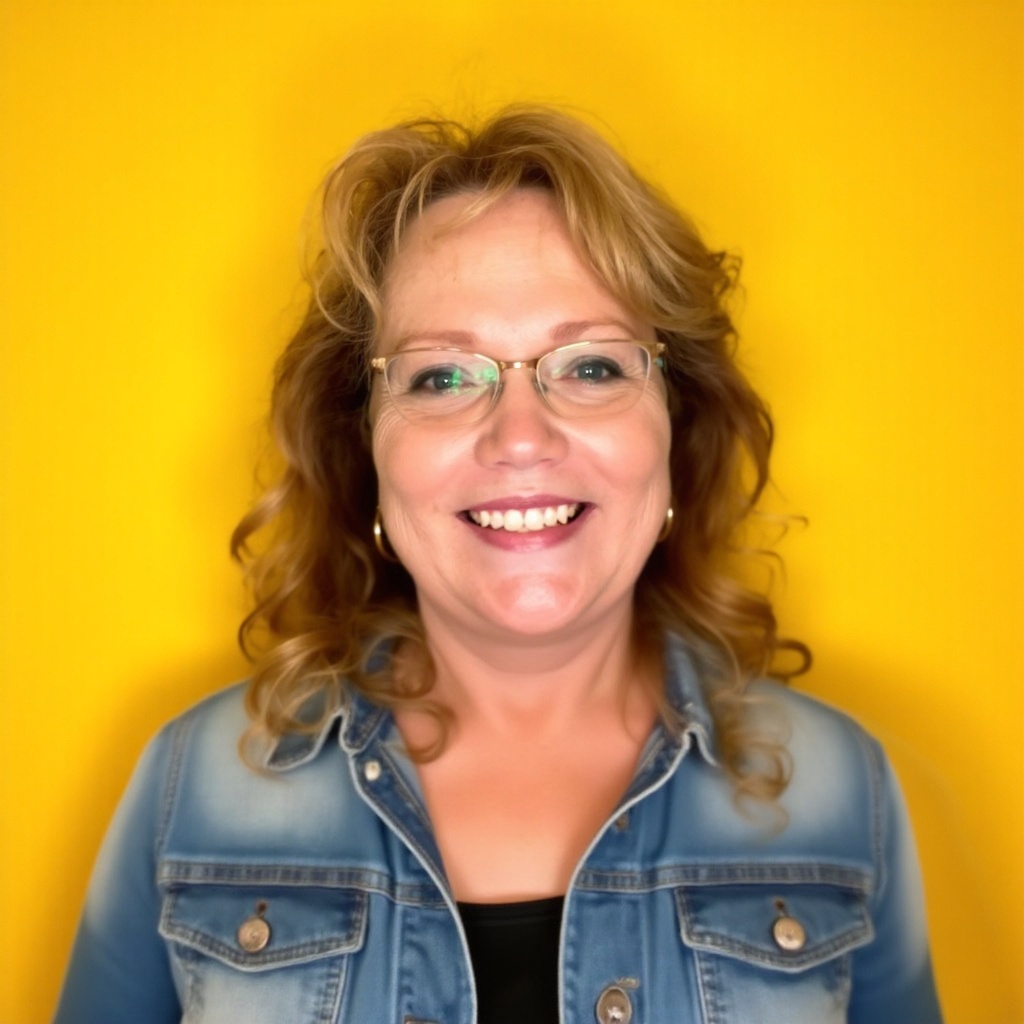
Amy Lou Jenkins is an award-winning and bestselling author, speaker, teacher, and former registered nurse whose work explores voice, identity, belonging, family patterns, inherited assumptions, and the stories we must unravel in order to live with greater intention.
Before turning more fully toward writing, Amy Lou spent years in nursing, moving from direct care into leadership and teaching roles. That background shaped her lifelong interest in how people survive, make meaning, tell the truth, and care for one another across difficulty. She holds an MFA in Literature and Writing from the Bennington Writing Seminars.
She is the author of five nonfiction books: Every Natural Fact: Five Seasons of Open-Air Parenting, Friends, Corners, Single Scull Rowing, and The Alchemy of Sass: A Memoir of Becoming and Belonging, forthcoming Spring 2027. Her essays and articles have appeared in a wide range of literary, parenting, environmental, and regional publications, and her work has received multiple honors, including the Ellis/Henderson Outdoor Writing Award, a Living Now Book Award Gold Medal, and recognition from literary contests and journals.
In The Alchemy of Sass, Amy Lou examines the lies, secrets, inherited assumptions, and family patterns that shaped her before she knew she was being shaped. Her work invites readers to consider how gender roles, silence, absence, power, and love shape families across generations, and how reflection, writing, empathy, and truth-telling can help us build more humane lives.
Listeners can explore their own live… Read More


