Creating Joyful Memories in Hard Times with Jerry Danielsen
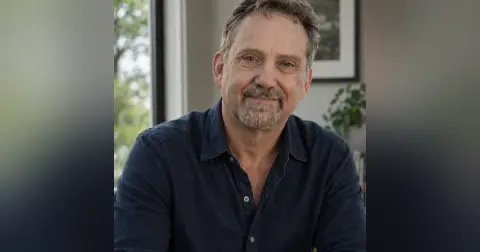
I would love to hear from you. Click the link now ## Key Points ### Keywords love, loss, grief, terminal illness, caregiving, hope, memories, healing, relationships, support grief, loss, community support, emotional intelligence, music, caregiving, identity, pets, spirituality, memories ### Summary In this heartfelt conversation, James Moffitt speaks with Jerry Danielson about his journey through love, loss, and grief after the passing of his wife, Angela, who battled terminal cancer. They ...


I would love to hear from you. Click the link now
## Key Points
### Keywords
love, loss, grief, terminal illness, caregiving, hope, memories, healing, relationships, support grief, loss, community support, emotional intelligence, music, caregiving, identity, pets, spirituality, memories
### Summary
In this heartfelt conversation, James Moffitt speaks with Jerry Danielson about his journey through love, loss, and grief after the passing of his wife, Angela, who battled terminal cancer. They discuss the emotional challenges of caregiving, the importance of creating joyful memories amidst suffering, and the transformative power of grief. Jerry shares insights on anticipatory grief, the role of community support, and how to honor the memory of loved ones while finding a path forward in life. In this heartfelt conversation, Jerry Danielsen shares his journey through grief after losing his wife, Angela. He reflects on the importance of cherishing memories, the role of community support, and the emotional challenges of navigating loss. Jerry discusses how caregiving shaped his identity, the significance of pets in coping with grief, and how music became a refuge for him. He emphasizes the need for emotional intelligence in men and the importance of finding meaning in loss while continuing to live life fully.
### Takeaways
Jerry and Angela chose to live fully despite terminal illness.
Creating joyful experiences can transform the caregiving journey.
Anticipatory grief allows for preparation but doesn't lessen the pain.
Memories of love and joy can help in the healing process.
Community support plays a crucial role in navigating grief.
Grief is a personal journey that never truly goes away.
Honoring the deceased means living life fully in their memory.
Vulnerability is essential in relationships during tough times.
You can reinvent yourself after loss and still honor the past.
Living with purpose can inspire others facing similar challenges. Cherishing memories can uplift those around us.
Community support is crucial during difficult times.
Grief is a universal experience that everyone faces.
Emotional intelligence is often overlooked in men.
Finding meaning in loss can strengthen spirituality.
Reinventing oneself after loss is a journey.
Pets play a significant role in coping with grief.
Loneliness can be a profound part of the grieving process.
Music can serve as a refuge during tough times.
Living life fully after loss honors the memory of loved ones.
Sound Bites
00:00 "We chose life."
06:00 "This was our schedule, this was our lives."
07:55 "We called it the F Cancer Tour."
14:47 "Grief never goes away."
19:38 "Honoring grief means letting it be grief."
27:05 "We knocked it out of the park."
32:10 "We all experience grief in some way."
35:51 "Did Angela's illness change your beliefs?"
47:30 "I needed to be comfortable in my own skin."
49:06 "Music became a refuge for me."
57:06 "What are you gonna do today for someone?"
## Chapters
00:00 Introduction to Love and Loss
02:24 Facing Terminal Illness Together
10:52 Navigating Grief and Anticipatory Loss
15:21 The Role of Memory in Healing
24:02 Strength in Vulnerability and Community Support
28:01 Cherishing Memories and Uplifting Spirits
29:09 The Importance of Community Support
32:10 Navigating Grief and Emotional Intelligence
35:51 Finding Meaning in Loss
38:38 Reinventing Identity After Loss
41:38 The Role of Pets in Grief
45:53 Loneliness After Loss
49:06 Music as a Refuge
52:26 Living Life After Loss
I record each episode on Riverside.FM
Actually, I I think it's there it requires a certain amount of inner strength and confidence to allow yourself as a man in some situations to show those kind of vulnerabilities. And my dad was born during the depression in the Midwest in Iowa, and I was also born in Iowa, and he served in Korea as well. He was in the Navy and he had a, you know, that persona similar to what you described. I don't think I ever really saw him cry either, but I uh I let myself feel what I was gonna feel in this case, you know, and it doesn't mean you're weak, it means that you're a human being. You know, you have to allow our human being, our inner nature to show however it's gonna come out. You know, sometimes grieving requires breaking down, and sometimes it requires being strong, and all the things that humans feel.
SPEAKER_00Amen, brother. That's for sure.
SPEAKER_01A father is often expected to be the strong one to hold his family together, to keep moving forward, even when part of his world has fallen apart. After losing his daughter Jessica to cancer, James Moppett discovered how few places existed for grieving fathers, and how many men were carrying their pain in silence. The Father's Refuge podcast was created to give those fathers a place to be seen, heard, and reminded that they don't have to walk through grief alone. Through honest conversations, personal stories, and faith-rooted encouragement, James explores the realities of loss, trauma, emotional healing, and rebuilding life after the unimaginable. Grief may change a father forever, but it doesn't have to destroy his faith or take away his hope. This is the Father's Refuge Podcast, a place for grieving fathers to find understanding, healing, and refuge.
SPEAKER_00Hello and welcome to Father's Refuge Podcast. My name is James Moffat, and I'll be your host. Father's Refuge Podcast is where we have honest conversations about love, loss, grief, faith, and finding hope in life's most difficult moments. Today's guest is Jerry Danielson, an accomplished composer, producer, and author of Dying to Live, choosing love and adventure in the face of terminal illness. When Jerry's wife, Angela, was diagnosed with terminal cancer, they faced a choice. They could allow the illness to consume whatever time remained, or they could make a conscious decision to continue living, loving, and creating memories together. They chose life. Today we're going to explore what it means to love someone while knowing you're going to lose them, the emotional challenges of caregiving, and how we find purpose and hope when someone we love is no longer physically with us. Jerry, welcome to the Father's Refuge. Thank you for being here. Thank you so much for having me on. Absolutely. Hey, I'm sorry to hear about your wife Angela passing. I know how tough that is. Yeah. So where are you located?
SPEAKER_02So I'm in an area called Santa Clarita. It's in the Los Angeles, California area, just north of LA. I'm still in LA County. So Southern California. Yeah. Well, I'm you're on the West Coast, I'm on the East Coast. Yeah, we couldn't we're still in the same country, but we couldn't be much farther from each other.
SPEAKER_00Right. I I heard today that all the airports nationwide have grounded all their air flights because they've lost the ability to track uh high altitude flights. So they're allowing planes to land, but nobody can take off.
SPEAKER_02Yeah, I've I got that same alert and it made me glad I wasn't trying to fly today because I fly around a fair amount and and you know how it can get frustrating even with a delayed flight, let alone a canceled flight.
SPEAKER_00Right. Hey, so tell us if you don't mind, if you feel like if you would like to share, tell us a little bit about your wife and uh uh what happened with that.
SPEAKER_02Okay, I can give you a little context. So my wife Angela and I uh met each other. I wasn't I had been divorced before her, and she had been divorced as well, and we found each other, and it was quite obvious that it was a really good match, considering we had both understood what a toxic relationship is like. So finding the right person is is wonderful. And so we got married, and it was about two and a half years later that she was diagnosed with breast cancer. So she we went through all the gyrations you can go through. There's chemo, there's radiation, she had a lumpectomy, she had all kinds of drugs afterwards, her sept and tamoxifen, and all these, all these things I never wanted to learn about. I ended up having to learn about. And we got the we got a letter from our medical care provider after a while saying, Congratulations, you're cancer free. So she went ahead and she was like, Yay, I'm going to live. And she went, she was a school teacher, a history teacher, very good one, actually. She received the Teacher of the Year Award a few times from different schools. So she went ahead and got her master's degree. And uh life moved forward. And then after a while, she was feeling really crummy again. And to to, I'm kind of giving you the uh truncated story here, but the cancer had metastasized to her liver and her lungs. And at that point, it's considered treatable but not curable. So, in other words, it's a terminal diagnosis, and you know, we didn't know how long she had, and she was otherwise healthy, and she was only 46 years old. So it's it meant that she, you know, she had uh a lot of energy other than this dumb disease called cancer. And at that point, she continued working uh until finally, after about a year after that, it the cancer metastasized to her brain. And we f it we found out she was getting dizzy, she was almost ready to fall over. We went into the ER and they did an MRA and found cancer in her brain. So they did brain surgery, and um, from that point, I suggested she retire because that would be it didn't, you know, life was risky doing anything. So we looked at the calendar, and I'll never forget this that looking at the calendar when you have this kind of illness has has a lot of uh scheduling there. There's a there's a treatment, there's a there's a procedure, there's a scan, there's an x-ray, there's pharmacy stuff. So the calendar is just riddled with all kinds of doctoring month after month, and we had this realization that this was it ad infinitum. You know, this was our schedule, this was our lives. So I had this light bulb moment that let's let's schedule things in this calendar that are things we can look forward to that we want to do. And she loved going on cruises. And and when you have brain surgery, you have you're on a med, an anti anti-seizure meds, basically. So you're not really supposed to fly because the altitude can mess you up. But since we live near LA and there's a port there, cruise ships come by. So we decided, okay, let's do that. Let's do beach activities. And we're not too far from the ocean anyway, about a 45-minute drive. And so we we did that. And once we started that, I realized that this is some the difference in her disposition and my disposition, having something to look forward to on the calendar as opposed to dreading the calendar, made all the difference in the world. And after a while, we actually booked our trips and our experiences. And it doesn't all have to be big, but we we ended up uh cruising to Hawaii and cruising to Alaska, and the people all around us were so kind. They gave us an upgrade because they knew her situation. I'd called the company Princess Cruises. They gave us a free upgrade, and we ended up scheduling the treatments and all the doctoring around our trips for as long as we could. And and and so I called it the F Cancer Tour, you know, like doo-da-do-do to cancer, and I made shirts that say In fact, I have one, I think. Yeah, I have I made shirts that we wore just as a thing. We gave these shirts out to people. There you go. So yeah, and people were asking me, you could fundraise for the cancer and sell these shirts, but I I did not sell them, I just gave them out to some people. And uh so it was funny, you know, and it was like a rock band tour, you know, and the back of the shirt had the dates and times of the places we were gonna go. And uh we did some shorter trips, like just to the beach, and and we went around to different um locations. But again, the demeanor and the outlook of life was so much better than the notion of we know this bad thing is happening and barring a miracle, which I didn't exclude that possibility, that this seemed inevitable. And so the choice, you know, there were times, of course, of feeling down, feeling depressed about it, tears were shed, but uh, but we also were able to schedule in this joy and this time together. So there are pictures of her with her hair's gone, she's got a bandana on, and she's just beaming, smiling ear to ear on a on a cruise ship because right now, one day at a time, you're alive and healthy and taking it, taking it as it comes, and you can still feel alive, even though there's this terminal illness that's going on. And that's part of the reason that I wrote my book and have this story is that it inspired so many other people who we weren't that aware that people were watching what we were doing. We had some friends who would people were concerned and they'd be texting and calling, and how's it going? And what are you doing? And we decided we decided after a while, you're repeating yourself so much. If we just post this on like Facebook or post it on a social media site, that most people would see it, and that's a way they could see what was going on. Right. But somehow that grew friends of friends were seeing it, and then even people we didn't even know were commenting, and I was getting I was getting in uh inbox messages and emails and texts about how they were inspired by us, and if we could do it, they could do it. And there are some other stories, it's kind of a side issue, how other people did their own little thing like that. They didn't call it the same thing, but because that was so inspiring that they actually saw how they could live their lives. And the other, the other takeaway, of course, is you don't even you don't have to have a terminal illness to live like that. But that's what promoted us to live like that for as long as we could. So it's a long story. That's the truncated version, but that's the gist of of why we're here.
SPEAKER_00Well, Jerry, I appreciate you sharing your story uh about how you and Angela faced these trials and tribulations. And I have not I obviously I haven't lost my wife, but I lost two children. And I just, you know, my wife and I have been married 36 years, and I can't imagine for ten minutes. I couldn't wrap my brain around the idea of losing her. Her name's Katie. She's a special ed teacher, so Katie and Angela have that in common. And but, you know, the interesting thing in that's what I love about podcasting. And I'm I'm kind of a storyteller, you know. Alex, we were at Podmatch, he he uh sends everybody a test, you know, says again what and you know, he asks uh all these questions. I don't know if you took it or not, but before I became a member of PodMatch, he's kept sending me emails about this about this pod match profile. You know, what kind of pod what kind of podcaster are you? And I he was like a fly and I kept swatting at him. I'm like, no, leave me alone, leave me alone. And one day I was like, okay, I got a f uh a few free minutes, let me just fill out the the form. And of course it came back saying I'm a storyteller, I turned 65 this year, and I've got s I've got a few stories up my sleeve. And so I kind of agreed with it. And I said, okay, so I'm gonna, you know, so so podcasting is a way to for people to get online and tell their stories. And the whole idea behind Father's Refuge is for fathers and people in general to have a safe place to come tell their story and to share their story and be it good, bad, or indifferent, uh, so that other people can listen to the podcast episodes and understand that, hey, I'm not the only one that's feeling this way. You know, I'm not the only one that's facing this, right? And so the beauty of your story is that you and Angela you face the unknown head on. And you're like, well, we've we've got all these medical tests and schedules. And I I remember all of that when just Jessica was uh diagnosed with two different types of cancer. She had a brain tumor and and she went to MUSC Children's Hospital here in Charleston, and we spent 14 months going back and forth to the hospital. And so I'm familiar with that. And that can wear you down, you know. It's not it's not a fun thing, you know. You're you're going to the to the hospital to get treatments because you have something serious going on. And of course we all hope and pray that our loved ones will survive on this side of heaven, you know. And uh sometimes they don't. Sometimes the good Lord heals them on the other side of heaven and takes them home, you know. And uh I just I just resonate with your story and and I just appreciate the fact that while y'all were facing this mountain in front of you, you chose to to live life and you were like, okay, so we've got to live through this. We gotta we got all these the stuff that we've got to schedule, but when we're not doing that, we can be doing this, you know? And uh it's positive and uplifting and and transformative and and uh I think people need to hear that. You know, I th I think people, especially people that are you know, are dealing with loss and grief and it's you know it's fresh to them and it I don't know, you know, it's been twenty-five years since my daughter passed away. I don't know how long it's been since Angela passed away, but you know, when that when you f first experience the loss, you know, the grief is hard and you go through your s you know, there's like five or six stages of grief and some people go through all of them. Right. Uh I did. And uh Yeah, they say time heals all wounds, and s to some degree I accept that, except for I think grief never goes away. You just learn how to live with it. And that the longer you live with it, the easier it is for you to tell the story, right? And uh so anyway, I appreciate you giving us some context and telling us about that.
SPEAKER_02Yeah, I'm so sorry to hear about your daughter. Um I have a son, so I am a father, and he's a he's an adult, and he, you know, he lives out of state, but he and I are pretty close and we were communicating the whole time, and we still do, and he observed what was going on and was was inspired by us as well. What do you do with that when when there is that diagnosis? To your point though, moving forward with grief, I also just I actually let myself experience grief as it came. A lot of people would say, you should stay busy, get back to work, and stay busy. But I felt like I needed to just sit in it and absorb it and process it. So I was working as well, but I was, I just let myself process it. And I kind of learned moving forward doesn't mean you leave that person behind. You know, I mean, it's like a raw nerve at first, and then after a while you get used to it, but it's not like that person is forgotten, and it's certainly not get over it or move, move away from it. They're still there, but you learn how to, or for me, learn how to live your life anyway. And when she finally passed, so there there is something I actually consider myself fortunate for a few ways that we had noticed that this was coming. Some people aren't like that, and there's an immediate, there's somebody gets a diagnosis and they're gone in a few weeks, or there is no diagnosis and they're just gone. They go to bed and not wake up. So they didn't some people don't have that chance to do what we had, but by knowing ahead of time and we had the chance to do what we did, we left every so I spent so much time with her. I and we said all the words that we could and should say to each other about love and how much you mean to me. And we had credited each other with healing from past toxic relationships. So it was we kind of reaffirmed all those things, but anticipatory grief is knowing something's coming and feeling that it's almost like you're grieving ahead of time, grieving for the future you might not have with that person, grieving for losing your if you're a couple, you're you're going to lose the mare, like lose your marriage, you know. And but even though the anticipatory grief, my head was prepared for this is going to happen, when it finally happened, it was like my analogy is you can see a train coming down the tracks, and if it's gonna hit you, you can brace for it. But once it hits you, boy, does that thing hurt, you know? And you the no no amount of knowing that it's coming can really prepare you, at least in my case. So I I realized that honoring that grief, like there, there's a saying, the more you love somebody, the stronger the grief. And there's probably some amount of truth to that. And, you know, there are days I still miss her, but I am I I realized, am I, I asked myself the question, and it took a few months to get there. Am I more than a broken half of a couple? Or can I be whole? Can I reinvent myself? So I in my book I use the term reinvent myself because I can't just go on the way I was. I need to, you know, become whole in my own right in a different way. I I'm not gonna revert to who I was before her because I'm forever changed now, you know. So that's kind of what I d dealt with and the way I dealt with it as far as um just letting grief be grief. I did so my healthcare provider, which was called Kaiser, it's a California thing or a West Coast thing, they did offer grief counseling, like group counseling. So I I said yes. So I was in a group and there were other people grieving from other losses like loss of a sibling or loss of a child or even loss of a parent, but it's still loss. And the we discussed how we were all dealing with it. So that was that was kind of helpful, but time does help, but it it just makes it a little less raw, right? And and uh, you know, moving forward is something she told me she wanted me to do, you know. So I'm kind of honoring her in a way by living my life as fully as possible.
SPEAKER_00Well, our our loved ones are a part of us. They are a part of who we are. And they stay with us, you know. There's probably not a day, I mean it's been twenty-five years, and it's probably not a day that I don't think about Jessica. I also lost an adult son who is thirty-eight in January of twenty twenty five. And um so yeah. Luckily for me, he and I were not real close. And I think I think the f that fact uh made the made the grief a little less intense. And I'm not proud of that, I'm not happy about that. It's just I get it. It's just it's just what it was or what it is, right? We grew distant and uh he's uh a product of my first marriage that only lasted two or three years and I still love him, he's still my son. Yeah. You know. And uh but the thing about I think the important thing about living during the treatment process, l let's say, like I had fourteen months with Jessica. We had fourteen months with Jessica. And they told us when they did the emergency surgery and removed as much of the tumor as they could that part of it was still attached to her brain stem, and that because of that, it was kind of a death sentence. And they said if she lasts 12 months, you'll be lucky. Well, she lasted fourteen months. So we were very fortunate in that we had fourteen months to prepare for the inevitable. We still prayed and hoped, begged God, you know, to heal her. Right. Uh bargained with God, begged him, you know, got angry, all of those emotions, right? And so so as we're walking through the treatment journey with our loved ones, I think it's important that not only do we support the person that is sick, but we support one another. You know, husbands and wives should support one another, and we should continue to, you know, do as much as we can to build memories, memories that that we can ha hang on to after the fact. Right. And uh the memories will not replace them per se, you know, uh, but it'll give you something to think back on and give you some some positive things to attribute to your loved one. And um you know, relationships are are, you know, complicated and messy and and you know you have to take the good with the bad. You know, there are positive things about our loved ones and there's negative things, just like ourselves. We're not perfect. And Yeah. Yeah. So we learn how to love one another despite all of that. And so you and you and Angela were building good memories that you were able to carry forward after after her passing. Uh so let me ask you a question. It says as Angela's husband and primary caregiver, I imagine there were times when you felt you had to be the strong one. Was there ever a moment when you realized you needed permission to fall apart yourself?
SPEAKER_02That's a great question. We we were Angela and I were the two of us together were greater than the sum of each individual. So there were she was a very strong woman and our bond was very strong. So sometimes the strength of that got us through each individual moment of weakness. There were times I was was weak and she would comfort me and there were times the opposite of that happened. She was when we you know we we knew each other so well just meaningful glances and holding of holding hands, you know, or and and talking about everything really helped like I'm afraid, you know, and she didn't like to talk about her fears but we would talk about them. You know she had more fear about physical pain and she had reconciled she had gotten more and more spiritual as this went on. So I was going to touch on something you touched on when friends and family were saying what can I do? What can I do? It's very easy to feel helpless. So we would ask them to pray and and she attended a church we both did her more so than me there's a church in my area that's a one of those very large churches there are several of them here. It's called Real Life Church. And there were times that the whole congregation of hundreds and hundreds of people one of those huge cathedrals with bands playing and everything everybody's holding hands playing for praying for Angela and there were several churches in my area all of them doing that same thing. So there were literally hundreds and hundreds and hundreds of people praying for her and us, excuse me. She would sometimes ask people to pray for me because I'm the I was her the last couple months I was pro the primary caregiver in home hospice. So I was able to handle it like I learned what to do. I never wanted to know how to do that but it was one of those things that came up and it was a very powerful thing that the uplifting spirit of kindness from those around us was was quite amazing. And to your other point the memories left and my son what who I touched on earlier later told me that he thought we knocked it out of the park because in this situation we I could then after she passed years later I could be left with the memories of all the depression and sadness and horrible stuff that was going on with her body I could be left with only that as memories but we created these positive joyful traveling experiences or even when we were here we would take a half a day and go somewhere do something or we would just focus on ourselves. She ended up throwing out the first pitch at a Dodger game when they have she was a major Dodgers fan not just any baseball only the Dodgers and so she that's awesome. She they have a charity called Blue Wishes and a friend of ours signed inquired and they said yes she fit all the categories so she threw out the first pitch at a Dodger game and it was only two months before she passed that she did that. She couldn't even walk very well she threw out that first pitch and Chris Taylor her favorite baseball player caught it all of those things and she's just beaming even though her body is failing on her you know her spirit was alive and which helped everyone else around her watching her spirit be alive uplifted those around her as well. So my son's comment about being left with those those is so important and it really helped those around her. So her re family that's left and friends that's left and me that all of us have these memories of how great that was and that that is a huge thing for me moving forward. And also I don't have a lot of regret like well I placed working or I placed something else as a priority instead of spending time with her because I'm self-employed I was able to arrange my schedule so I could spend extra time with her. So that was all very important.
SPEAKER_00Well that's a beautiful memory of her throwing out that baseball for the Dodgers and I think the fact that you guys were part of a uh growing thriving community a a faith based church you know faith based congregation community you know it's very important that when you're going through when you're going through something like that, sometimes sometimes it gets so painful. Sometimes you just want to crawl up in the fetal position throw a blanket over your head and just not go anywhere and not without a doubt.
SPEAKER_02Yeah.
SPEAKER_00Right? So so you guys being able to uh be part of a community of believers who were able to love on you and pray for you and provide support for you that is so critical. And you know it's I always encourage the listening audience that if no matter what stage that they're at in the either the treatment process or treatment journey or actually you know um on the other side of losing somebody, you know, despite everything that was tried to to save them, it's good to try to expose yourself to some sort of community, some sort of support group, pastoral care, you know you know even if you don't have friends or family that can point you in the right direction for community, call 211. That's United Way it's all over the United States. All them major employers actually donate money to United Way to provide support for the community. Right? That's how they give back to the community. But yeah if you you know like here in the South there's there's a church on every corner. You you actually have to go out of your way to to not see them, right? And even if even even if you're not quote unquote religious or spiritual or you don't feel like you're you know a Christ follower whatever. We're all spiritual beings, right? And I don't care where you're at with that but the important thing is that you become you get you get uh involved in a community somewhere in your in your where you live you know whether it's a community of believers whether it's church based whether it's a support group talk to a family therapist talk to you know what do they call the end of life doulas you know those people that are equipped and trained to help you deal with you know end of life you know we're all born we all die you know it's a circle of life we we all I have it on good authority we don't get a what we don't get out of it. You know it's one of those things that we all have in common we're we're here for a season and then our chapter is up and that's it. And so how we how we live and how we live life and build memories and how we prepare ourselves for the eventuality of you know life's coming to an end. You know? And and all of our I don't care how young or old you are we all experience grief in some way. Right? So that's and and I think men are you know I'm a child of the 70s I've always said that and I come from the the the John Wayne era before that. My dad was born in the 40s he went to he spent 26 years in the military as a uh in the army as a drill instructor he went to Vietnam he went to Korea he was a man's man he was a professional soldier. I don't think I ever saw him cry. You know he was he had a temper he was very tough you know and he taught me that boys don't cry young men don't cry you pull yourself up by your bootstraps you you become who you are because of your hard work and all of that and they and it's not that's not to say that all of that is negative or all of those teachings are bad. It's just that unfortunately from that era, you know, from the 60s 70s and 80s you know there's not there I don't think emotional intelligence was really discussed much, especially when it came to men, right? Men men just were expected to suck it up buttercup. You're supposed to be the strong one you're supposed to be there for the you know for the family member you're not supposed to show any weakness and unfortunately we're we're human too you know and guys are are emo have emotions. We may not show them very much you know we may keep them all bottled up and we might have this tough guy persona that we're you know we put forward and go don't let anybody know that like I you know I'll freely admit I cry at movies. You know I'll be watching I'll I'll get on Facebook reels and I'll watch all the little short reels where the Christian music artists are singing their songs and stuff and they're on stage and you know the SPCA you know commercials and you know chick flicks that me and my wife will will watch you know it'll you know I'll be blubbering like a little baby at the end. You know I'm like, oh great great that caught me you know but anyway and I'll tell my wife don't don't let her let anybody else know that because I got this I got this tough guy persona I got to keep up here.
SPEAKER_02But anyway Actually I I think it's it it requires a certain amount of inner strength and confidence to allow yourself as a man in some situations to show those kind of vulnerabilities. And uh my dad was born during the depression in the Midwest in Iowa and I was also born in Iowa and he served in Korea as well. He was in the Navy and he had you know that persona similar to what you described I don't think I ever really saw him cry either but I I let myself feel what I was going to feel in this case. You know and it doesn't mean you're weak. It means that you're a human being you know you have to allow our human being our inner nature to show however it's going to come out you know sometimes grieving requires breaking down and sometimes it requires being strong and all the things that humans feel.
SPEAKER_00Amen brother that's for sure. So when someone we love is dying we often find ourselves searching for answers whether through faith medicine or simply asking why did Angelus illness change your beliefs about God, spirituality or what happens after death?
SPEAKER_02It I don't think it changed it, but probably strengthened my spirituality because in the end, how do you make sense of this pretty objectively speaking good person, you know, why first there was why why her and why at a young you know there's a stereotype that only older people get cancer and that's of course not true because cancer doesn't care how old you are as you've experienced and she certainly dug deeper into spirituality and had along with going to church there was like a sisters kind of group of people who had the same faith as her would get together once a week at different people's houses. And once once I ended up acceptance of regardless of why this is happening and to make sense of it and to find any kind of comfort required the notion that we can't control the it was out of control. There's a powerlessness to this whole thing. So there there needs to be to find some comfort meant that there had to be a reason or or there needs to be for me there needed to be like this isn't just a pointless useless thing. And for us, you know our love even grew as opposed to some couples get driven away I've heard all kinds of stories about two couples who are together and puts them it puts them at odds with each other. The one without the cancer is experiencing life much different it's really difficult. So it it just strengthened I think the answer was love. The answer was let life be well her uh idea of an afterlife certainly was modified. I don't know every single thing about it but she ended up feet finding comfort in the notion of of what her version what she thought the afterlife would be I hope that answers your question.
SPEAKER_00Absolutely so for so long your days revolved around Angela's care her needs and making the most of your remaining time together after she died did you struggle with losing not only your wife but also the purpose and identity that caregiving had given you yes I did because for a while it was clear what my task would be you know I mean like I say I'm self-employed and I'd run this recording studio you know and I used to teach music private music lessons in addition to producing music for other people and I've written music for this and that.
SPEAKER_02And so that was a big purpose but along with that before that was my marriage and and we were growing together and had a vision of the future. So afterwards like who am I? You know I was talking earlier about reinventing myself and I put all that aside when I was her primary caregiver especially it it led up to that I started becoming like a part-time caregiver but once hospice occurred I was a full-time caregiver and I was just my mission was I I put this on on myself you know to be at home even if I ran to the store I'd come home as quickly as possible I wanted to be there for her in case something happened it becomes such a mission then boom she's gone and the house is empty except for my dog who ran around the house looking for her you know and what am I going to do now? You know the urgency of all that it it took me a while to find that and in my book I talk about how one day weeks and weeks later I walk over to my piano and just hit a couple notes and just go, okay, you know I can that sounded good and and trying to make what I love what did I who am I? What did I love with her? What did I love before I met her and I approached going back into music again and going into some writing again. And a few years later I realized I wanted to turn this into a book and a story because of how it I thought it affected me but those around me. And like I said it went viral to some degree this notion of the F cancer tour and all that. So I kind of decided the lessons learned from this would be part of my life as well as who I was before. So I'm definitely different now than I was before and I've kind of reinvented myself to some extent, you know, but certainly it took a little soul searching and and what would she want and who am I really and all that kind of stuff.
SPEAKER_00You know you brought up a unique element of relationships in our home lives and that's our fur babies right yeah and I I don't think I've ever really heard anybody mention about how when you lose a loved one, our pets become part of our families. They are our family, right?
SPEAKER_02Without a doubt.
SPEAKER_00If you're if you're a decent human being, your your pet is we got two dogs and well we had two dogs. We had to put one of them down recently but but I have a lab that's still here that's six years old and her name's Roxy and uh I I'm pretty fond of her right my wife is even more fonder and more attached to the animals than I am. I think it's a difference between the male and the female gender or whatever. Yeah. But but you know we we become attached to our pets and our pets are equally or more attached to us you know because we're we are their whole world. Yes. Right? And so when a loved one passes, you know, uh there's that dynamic that I have not really thought of or explored until you said that and I was like wow yeah yeah what about the pets? What about what you their favorite pet? You know it's like the dog's running around the house like where's mom you know or where's where's Angela or where's whatever the pet name is or what have you the the dog is used to their pet name and their treats and going for walks and playing and rough and tumble and you know all of that. So yeah there's so that's a that's a dynamic that I hadn't really thought of. And uh I'm glad you brought that up.
SPEAKER_02Yeah there's a part I noticed I put it in my book but basically my house was very quiet after Angela passed. And then you know the there's a lot of commotion and the the the the medical people you know had we had set up hosp a hospital bed and all the air tanks. She was on oxygen and all kinds of stuff. And all that's gone and the commotion's gone and after a few we and then there's funeral planning and we spread her ashes at sea. That's what what per her wishes and after all that suddenly the commotion dies down and you're just left there. And but I heard my little my dog's my dog Max his his little claws on the tile floor and his little collar jingling but he would definitely be looking for her for a while you know so I would hold him and talk to talk to my dog and I take my dog for walks every day sometimes two a day. He was an Australian cattle dog so they like exercise and he wa he I'm saying was because he ended up passing he lived to 14 years old and ended up passing a couple of years ago unfortunately but having that companionship also afterwards was pretty good actually because to your point I'm a dog guy. Cats can be like this too nothing against cats but the my dog was a family member no doubt about it. Dogs pet pets are family members and it it was it was great. So I wasn't totally alone I still had my dog then my dog passed and then I was alone you know but by then I had gone through a few years of of grief.
SPEAKER_00So I was a little more healed you know so yeah companionship is important. So people often surround us with love and support immediately after a loss but eventually everyone returns to their normal lives. What has been the loneliest or most unexpected part of life after Angela and what do you wish people understood about that experience?
SPEAKER_02Just touched on it the notion that people gather around and it's very heartfelt and and the kindness of others can't be overstated. It's very it was amazingly uplifting. And like I said after right afterwards the the uh her church group sisters they called themselves they were on their way to come visit Angela while they were on their way is when she passed. So I called them and said she just passed and they waited outside and and they were there and they were around and afterwards and and my friends were coming around and calling me and then we planned the funeral was amazing. The there was a memorial service she had planned and it was attended by hundreds of people it was well over 200. And we spread her ashes and then after a while it calms down and you're you're kind of left with just me sitting there in the house with all the commotion calmed down. So I think it's human nature to do that to um be involved but then everybody goes back to their lives. But my I in this case or in a case of somebody like me, we're left with our new life a life that's completely changed. So for me I realized I needed to be able to process and be comfortable with my in my own skin rather than go out and look for another relationship right away or go I or needing to be with people that heals on the surface but I actually allowed myself a bunch of alone time and it was just after she passed that COVID hit. So you're forced into more isolation in the in the world of COVID and um I went to the store still and I saw some people but mostly I just had to get used to being alone in my own skin differentiate between being alone and being lonely so I grew to be able to be alone without being lonely and if I did feel lonely there's the telephone I could call people I have friends I'm lucky to have friends and some family. So that's kind of that's kind of how I got through it. So I think your question of how What do I wish other people know knew? I'm not sure what if there's one answer to that. Because I think each different person deals with grief in their own private way. You know, so I don't know if there's a universal answer to that question. But just be knowing that people would pick up the phone when I called them was comfort, you know.
SPEAKER_00So you spent your life creating music and telling stories through sound after Angela died. Did music become a refuge for you? Or were there times when even music was too painful? Has grief changed the way you hear or create music?
SPEAKER_02That's a great question. Like I said, I took a break from music during the hospice situation and then shortly after, but I rediscovered music. I don't know if it's changed the way I relate to music as much as the way I relate to music was always evolving. It's never been the same. And it it depends on the project. I did write some songs while she was while we were together about like love songs basically, you know, and I wrote some poetry for her. I had written poetry before this book. So I used to write her love poems and things, and I missed doing that once she was gone, you know. But I'd say I'd say my my view towards music has been influenced by my entire relationship with her. And um I've come out actually probably more of a positive person because of her the fact that her and I together were were so great, you know. So I don't know if that answers your question directly, but I'm still doing music and I I have my recording studio. So even during COVID, I was able to create and and record music even without other people in the room. Um, and so that was always good. And I have some recordings from that time period, and even now that that are, you know, I just keep doing it.
SPEAKER_00Yeah, I was gonna ask you if you're a singer, songwriter, or producer or uh all of that, but you've answered that question.
SPEAKER_02Yeah, I kind of do a little of all of that. I do compose music for film, so that's usually instrumental music. Right. Using and sometimes I'll hire other musicians like a violin player, a cello player, but some I have my studio here with samples, so I have those kind of sounds even without those players, although having the player is better. So it depends on the project. Right now I'm working on a project that does have singing, and I play guitar. I play a mean, a mean electric guitar, you know. And so I can I have a lot of fun doing that too.
SPEAKER_00Well, that's good. I I love music and I love listening to music. I have no musical instrument. I I'm just not gifted in that way. And like I told you before we hit record, I've you know, I ran church sound for about 15 or 20 years, and I'm very I like the technical side of the sound, you know, and uh all of that. And with podcasting, you you have an opportunity to edit or edit the the MP4 file or the MP3 file, video versus audio and all of that. And so that's that's you know, I I like the technical part of that. So, Jerry, if Angela could see the life you're living today and the way you're sharing your story to help others, what do you think she would be most proud of? And what do you believe she would want you to do with the years still ahead of you?
SPEAKER_02That's a good question, and I think she would be proud of the fact that I I have continued my life. You know, I've continued to go in it in and and live my life. And I'm I continue to stay close with her family, her mom and her dad and and her uh her sister and my nephew. Her sister has a son who is my nephew, and I think she would be w happy with with all that. You know, I think that she she told me for a fact she wanted me to move on and maybe meet somebody else. I have not yet remarried. That's not impossible in the future, but I think the idea of how it's almost like the F Cancer Tour was like we're all terminal. So what are you gonna do before you go that that puts something you can look forward to on the calendar? I say on the calendar, but really that means in your life. And whether it's if you love travel or if you love whatever you love. Like I've recently kind of rediscovered traveling. I didn't travel as much after she passed, but now I I have been more. And it's been I think she would be she would be glad, you know, that I have found, you know, some positivity in life and some happiness in life. And it's not without her, it's it's didn't I didn't move forward without her. I didn't leave her behind. It's just moving, you know, be still living my life, basically.
SPEAKER_00Right. And even though she's not with you physically, uh there's still that spiritual dynamic, you know, that essence of her presence, if I if I would say that. So, Jerry, thank you for joining me today. Joining me today on Father's Refuge and for sharing such a deeply personal part of your life and your love for Angela. Your story reminds us that grief doesn't always begin when someone dies. Sometimes it begins the moment we realize that the time we have together is limited. But you've also reminded us that even in the shadow of death, there are opportunities to love, laugh, create memories, and truly live. For those of us who have lost someone we love, moving forward can sometimes feel like leaving them behind. But perhaps honoring their memory means carrying their love into whatever life still has in store for us. To everyone listening, thank you for the privilege of your time. Don't wait for tomorrow to tell someone you love them, make the memories, have the conversations, and cherish the ordinary moments. They may someday become your most extraordinary treasures. Until next time, this is Father's Refuge where grief is understood, faith is explored, and no one has to walk this journey alone. And Jerry, thank you so much for sharing your story.
SPEAKER_02Thank you so much for having me, Yan. I really appreciate it. And I think if this story helps someone in any way, then that's that's great. You know, there's still room for joy and love, even in the middle of grief. And finding that can can be very can be can be the best we can do. You know, I mean that's that's the story here. So I appreciate you having me on.
SPEAKER_00Yeah, and before we go, uh tell the listening audience about your book, the name of your book, where can they find it on Amazon? Do you have a website? All of that.
SPEAKER_02I have all that. So my book is called Dying to Live, and the cover cover has two people holding their hands walking down a road together. Um I do have a website, dying to livebook.com. And you can you could get the book if you wanted to anywhere on Amazon or Barnes and Noble. You could go to my website and order it and get a signed copy. And I also made these little passports that it's like swag that somebody can I send it to people when they want to order it with a signed copy. And you write in your name and your own name of your tour, and it's like, where did you did you tell someone today that you love them? Or, you know, what makes happy, that kind of thing. It's kind of just a reminder that no matter where you are, you know, today what are you gonna do with something small for somebody, you know, kind of thing. So those are those are around on my website, dine to lipbook.com, or you can go to Amazon or wherever if you wanted to, if you were interested in getting the book.
SPEAKER_00Yeah, I think I'm gonna have to get it myself. I'll get I'll get you give me an autographed copy.
SPEAKER_02Yeah, with with swag. With with swag.
SPEAKER_00Absolutely. Yeah, yeah. Yeah. All right, brother. Well, thank you for being here. And uh to everybody listening, I'll talk to you later. And uh, God bless you. And uh just understand you're not alone. And uh hopefully I'll come out with another episode very soon, like next week or the week after. All right. Talk to everybody later. Nice seeing you. Bye bye. Bye.


